
Location, Location, Location: The 8 Questions to Ask Before Buying in Any Area
You can renovate a flat. You can't move it. Here's how to judge the one thing you can never change.

Here's a hard truth: most post-purchase regret in real estate doesn't come from the flat. It comes from the location. You can repaint walls, redo a kitchen, even knock down a wall -but you can never move your home to a better neighbourhood. Yet buyers routinely fall in love with a well-staged show flat and barely glance at what surrounds it. Before you commit, walk every prospective area through these eight questions. They take a weekend to answer properly, and they'll protect a decision you'll live with for decades.
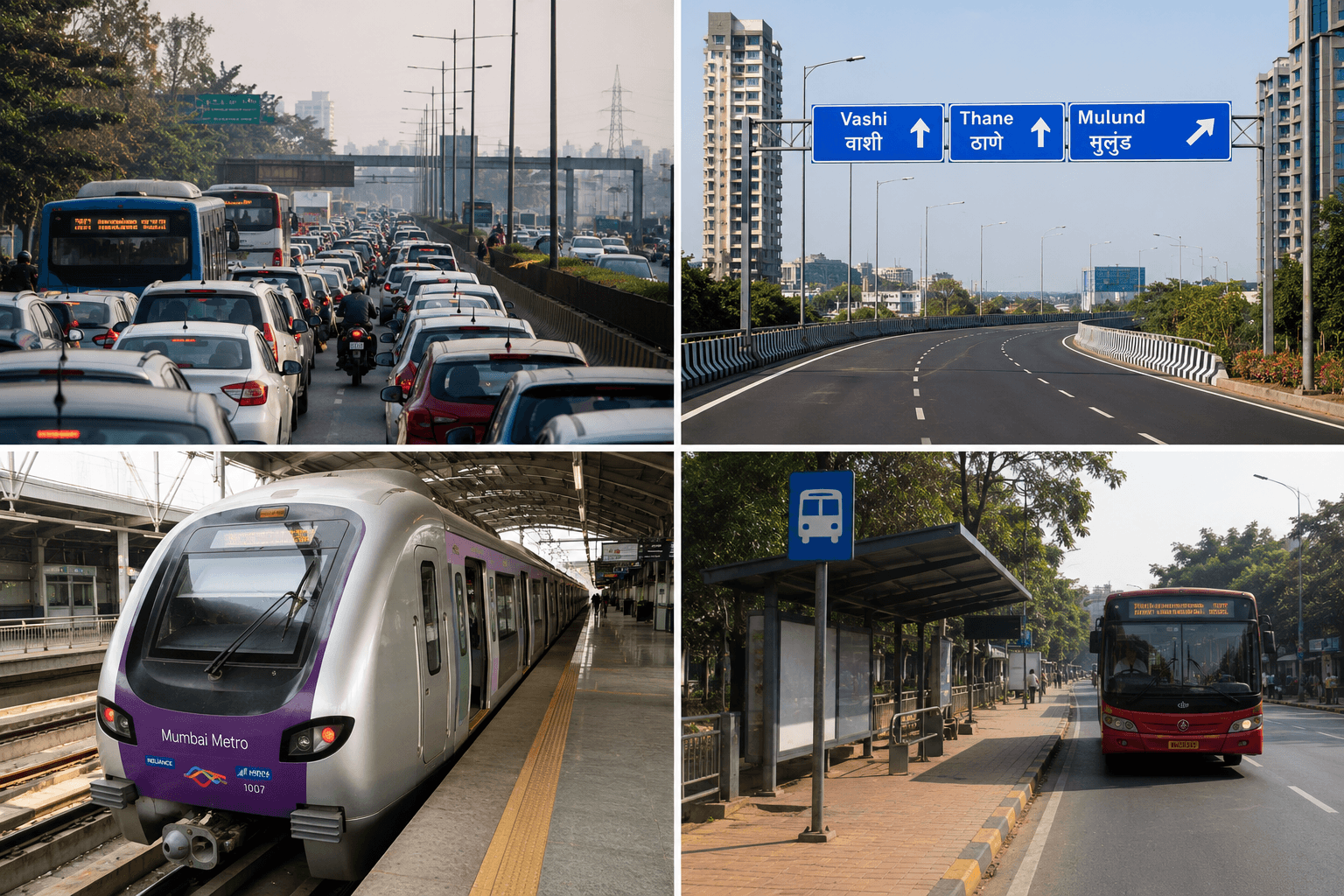
1. How good is the connectivity - really?
Don't judge connectivity from a brochure map. Actually travel from the site to your workplace, your children's school, and the nearest hospital during peak hours. A flat that's "20 minutes from the office" at noon can be 70 minutes at 9 a.m. Check road access, public transport, and how far you are from a metro or major junction. Daily commute is the single biggest quality-of-life factor most buyers underestimate.
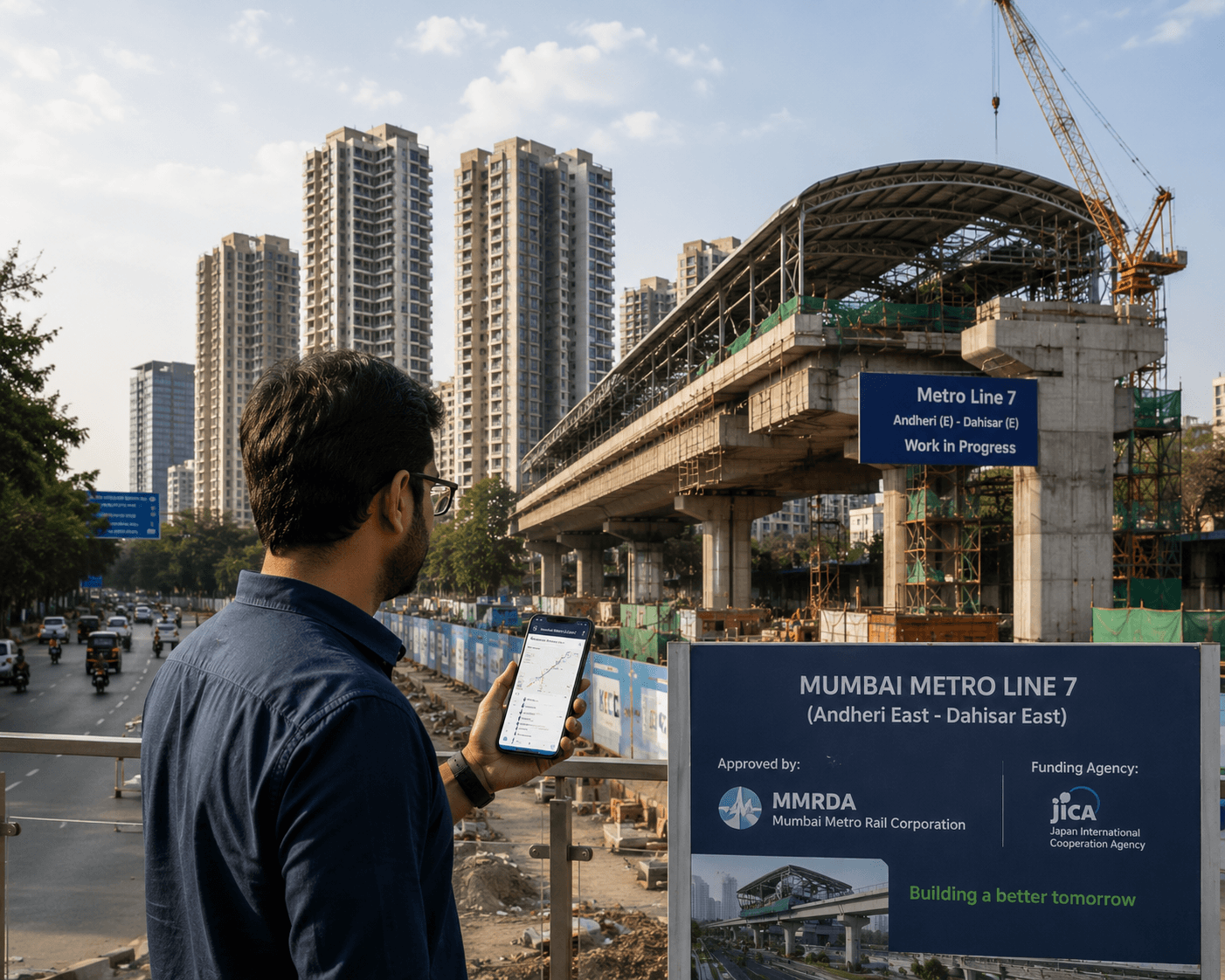
2. What infrastructure is genuinely coming and when?
Upcoming metro lines, expressways, and business hubs can transform an area and lift property values. But "coming soon" is one of real estate's most abused phrases. Look for projects that are sanctioned and funded with a realistic timeline, not just announced. A confirmed metro station two years away is an asset; a rumoured one "in the pipeline" is a gamble. Verify with official municipal or transport authority sources, not the sales team.
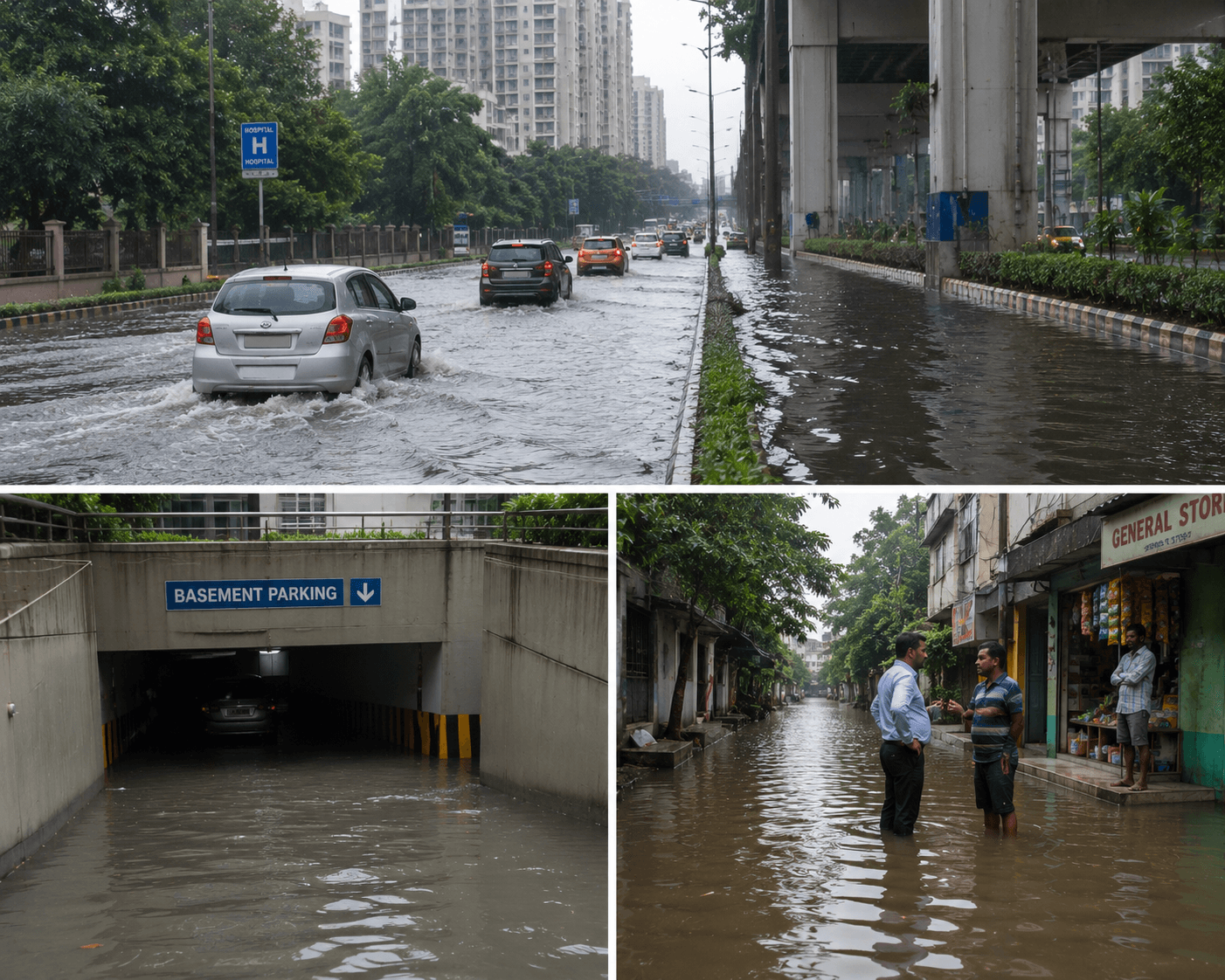
3. Is this a flood-prone or low-lying zone?
Indian cities increasingly see severe waterlogging during the monsoon. Visit or at least research - the area during or right after heavy rain. Ask neighbours and local shopkeepers whether the roads flood, whether the society's basement parking takes on water, and how drainage holds up. A beautiful flat that's marooned every July is a recurring nightmare, not a home.
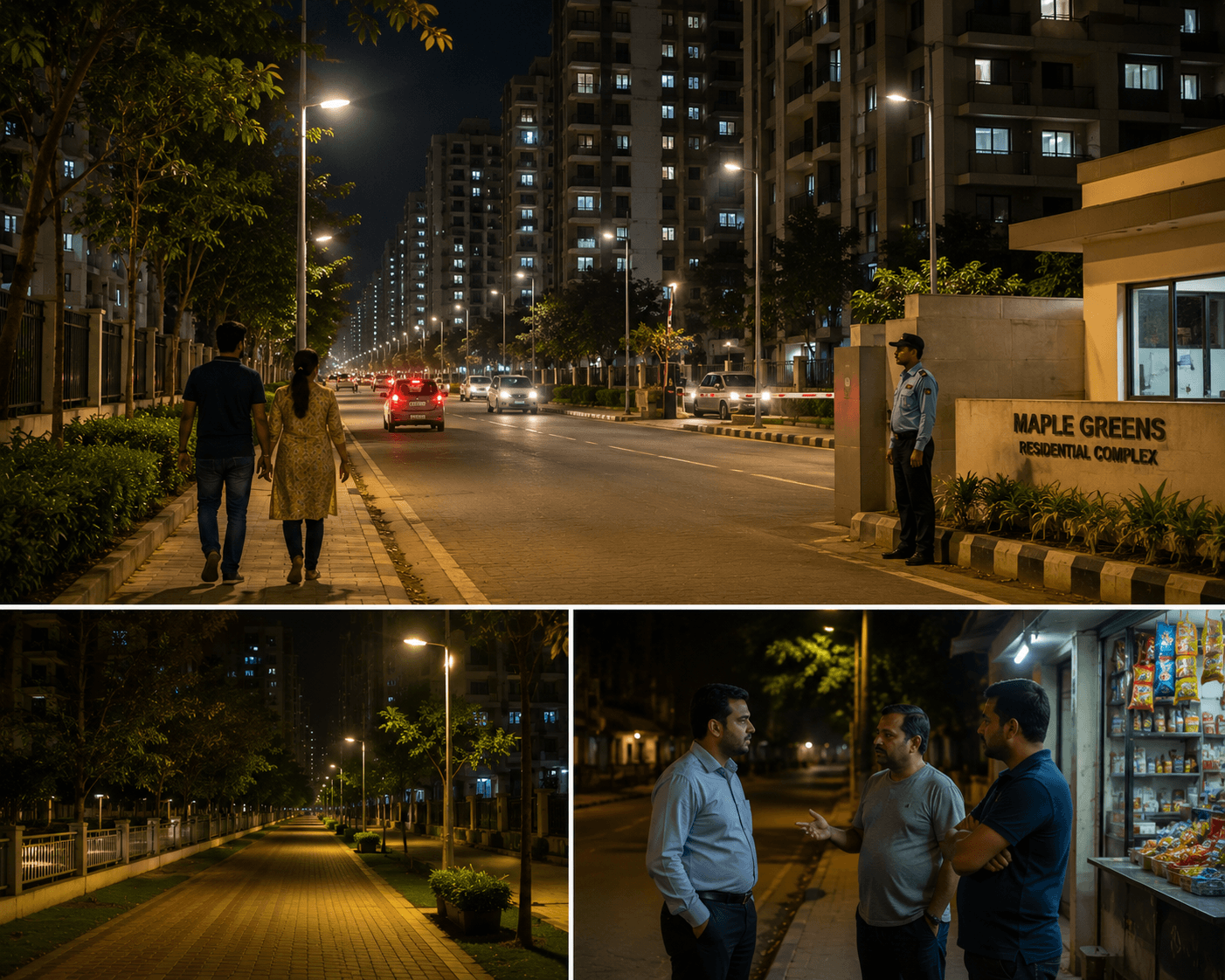
4. How safe is the neighbourhood?
Walk the area in the evening, not just during a daytime site visit. Is it well-lit? Are streets active and populated after dark? Talk to current residents about safety, and look at the presence of security, working streetlights, and footfall. Safety isn't just statistics - it's whether you'd feel comfortable walking home at night, and whether your family would too.
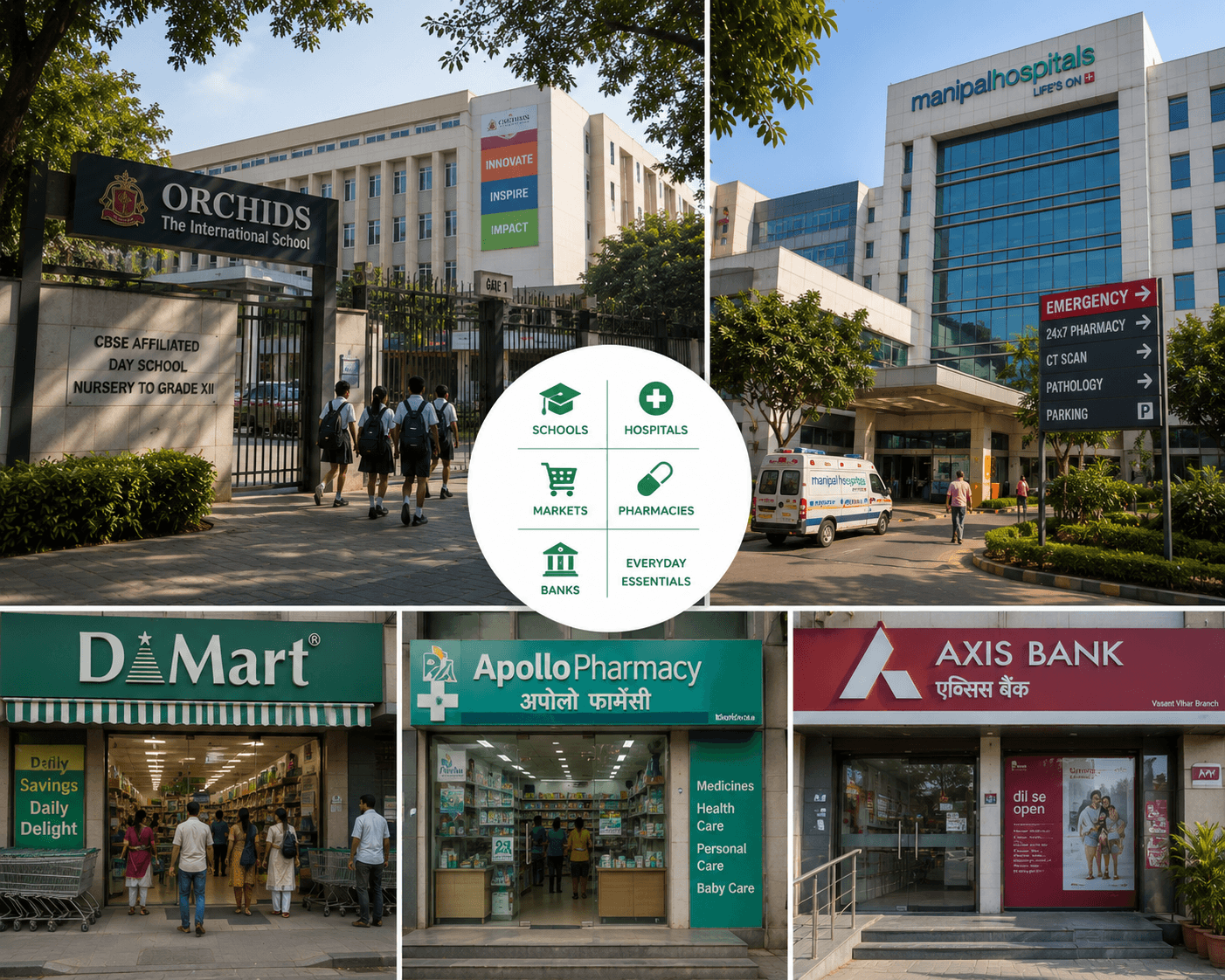
5. What are the daily essentials like?
Map the everyday infrastructure within a reasonable radius: reputable schools, hospitals and clinics, markets and grocery stores, pharmacies, and banks. These quietly shape your daily life and also drive long-term demand and resale value. An area with strong schools and healthcare nearby almost always holds its value better, because families will always want to live there.
6. What does the resale history tell you?
Look at how property prices in the area have moved over the past five to ten years, and how quickly homes actually sell. Steady demand and a healthy resale market are signs of a location with real, durable appeal. If flats sit unsold for long periods or prices have stagnated while the city has grown, ask why. The resale market is the area's honest report card.
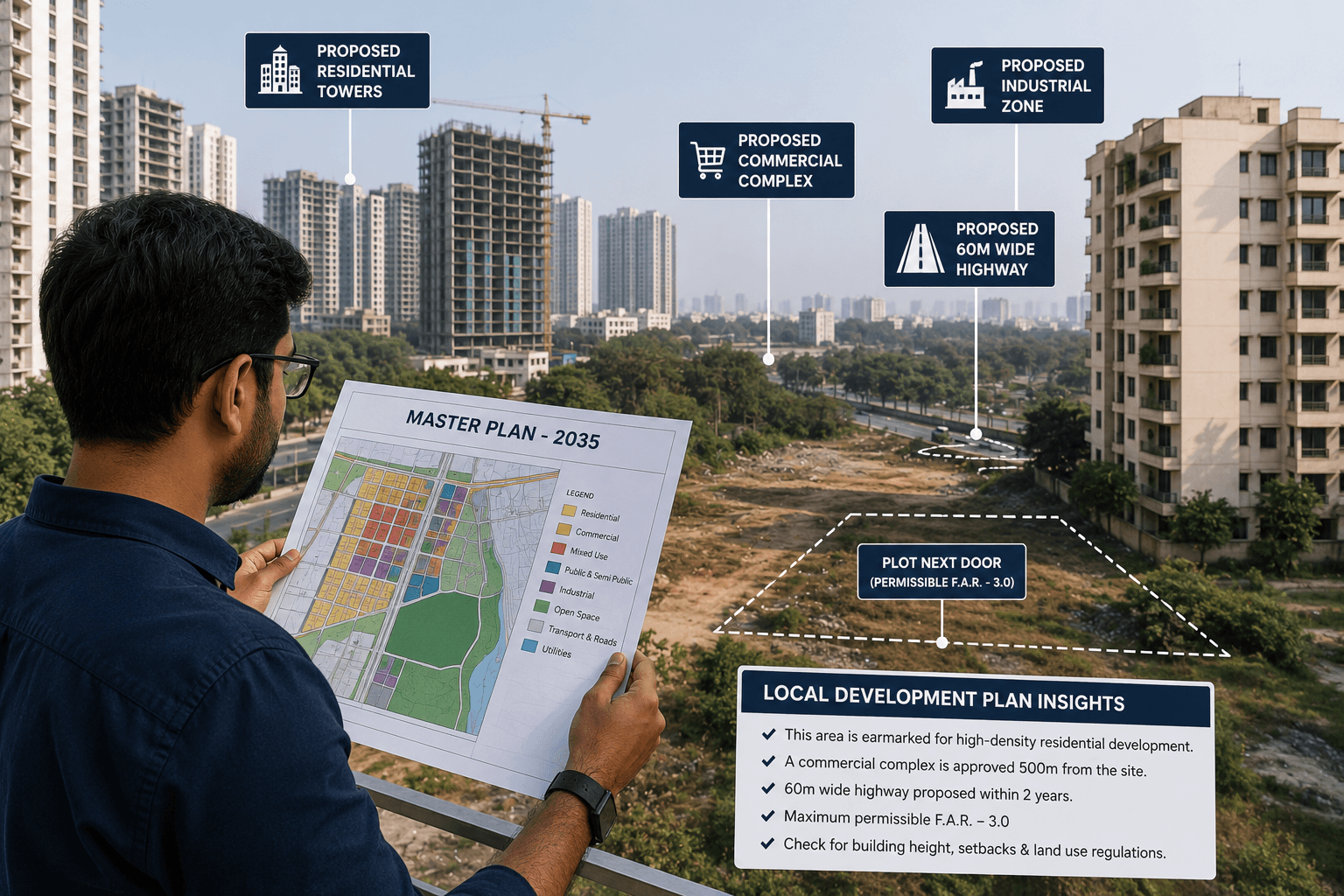
7. What's the development plan for the surrounding land?
That open plot or low-rise next door won't necessarily stay that way. Check the local development or master plan to understand what's permitted around you: more residential towers, a commercial complex, an industrial zone, or a highway. Future development can either enhance your home or block your light, views, and quiet. Knowing the plan means no unpleasant surprises after you've moved in.
8. Does the area fit your life - not just your budget?
Finally, the most personal question. Picture your actual routine here: the commute, where you'll shop, where children will play, where you'll walk in the evening. A location that's cheap but exhausting to live in is a poor bargain. The right area is one where the day-to-day rhythm of your life feels easy, not like a constant compromise.
A practical way to gather the answers
Most of these questions can't be answered from a listing or a single site visit - they need real local knowledge. Visit the area at least twice, ideally at very different times: a weekday morning rush hour and a weekend evening. Walk, don't just drive. Step into local shops, talk to residents waiting at the bus stop, and ask the people who'll be your neighbours what they like and dislike about living there. For infrastructure and development plans, go to official municipal, metro, or urban-development authority sources rather than trusting a sales pitch. The hour you spend talking to actual residents will tell you more than any glossy brochure.
Put it together
Score each prospective location honestly across these eight questions before you let the flat's interiors sway you. Visit at different times of day and in different weather. Talk to people who live there now - they'll tell you things no brochure ever will. The flat is what you buy; the location is what you live in. Choose the location first, and the right home within it second.
This article is for general information only and is not legal, financial, or tax advice. Loan rates, tax rules, and GST applicable to your purchase change over time and vary by lender, state, and your individual circumstances - please verify current details and consult a qualified professional before deciding.
Buy smarter with Wishki. Wishki connects you with people who actually live and work in the areas you're considering — local agents and residents who can tell you what a site visit on a sunny afternoon never will.
Recent Posts

Home Loan ke 10 Terms Jo Aapko Samajhni Hi Chahiye - Before You Sign
30 Jun 2026
2 BHK vs 3 BHK: The Decision Framework Indian Families Keep Getting Wrong
23 Jun 2026

Best Real Estate Investment Cities in India for 2026
28 May 2026
Cost Overruns in Construction: Causes and Solutions
28 Apr 2026

Step-by-Step Guide to Buying Your First Property
28 Apr 2026